Getting listed in UK law directories is one of the easiest ways to build trust.
As legal questions grow increasingly complex in areas like technology, constitutional law, and human rights, the Scottish courts remain at the forefront of delivering fair, efficient, and independent justice for all.
Courts must ensure that government decisions and actions comply with the law and do not infringe upon the rights of individuals. Judicial appointments are managed independently through the Judicial Appointments Board for Scotland to ensure impartiality and merit-based selection.
The Scottish judiciary is headed by the Lord President, who also serves as the Lord Justice General when sitting in the High Court. The structure of Scottish courts is structured across several levels, each dealing with various legal matters.
Law enforcement officials and most other authorities employees don't benefit from the broad absolute immunity afforded to prosecutors and judges, but they do have what's often called "qualified immunity:" To ensure that an officer to be held civilly accountable for violating a citizen's rights, the regulation should be so clearly established that a reasonable particular person would have known that the officer's actions had been illegal.
For example, in the response from AHS to the Vollmerhausen Complaint the Site Supervisor for the Animal Humane Society Golden Valley facility stated that these evaluations are carried out by "veterinary technicians".
The Scottish Parliament also has the power to create new laws in devolved areas, which means Scottish courts may interpret and enforce statutes differently from their counterparts in England and Wales.
These courts handle the majority of civil and criminal cases in Scotland. Other senior judges include the Lords Commissioners of Justiciary and Senators of the College of Justice.
Courts must ensure that the legal profession operates ethically and according to the rules of conduct, ensuring that lawyers are able to represent their clients fairly and competently.
Creating a strong online presence is non-negotiable. Once a court has made a decision, it is responsible for ensuring that the ruling is enforced. One of the essential tasks of law courts is to uphold the principle of the rule of law.
This may include overseeing the payment of fines or compensation, enforcing child custody arrangements, or ensuring that individuals comply with court orders.
This means that courts must ensure that all individuals and institutions, including the government, adhere to the law. I come from a rustic the place you will see that more than15% Muslims officially.Unofficially it's atleast twice more than that.I went via this article and find every part true.
Legal training in Scotland differs slightly from the rest of the UK.
This duty is especially important in cases where the actions of public bodies or officials are being challenged. Judicial review is an essential aspect of this duty, where courts assess whether public bodies have acted unlawfully, irrationally, or outside their powers. Courts provide a forum for legal representatives, including solicitors, barristers, and other legal professionals, to present their cases and engage in advocacy on behalf of their clients.
Prolonged delays can lead to frustration for individuals involved in legal proceedings and can undermine confidence in the legal system.
 If you loved this article so you would like to obtain more info regarding visit site kindly visit our page. From the High Court of Justiciary to the Justice of the Peace Courts, Scotland’s legal system reflects centuries of tradition alongside ongoing reform.
Search engine optimisation helps your firm attract leads when potential clients search for lawyers.
Debates around the role of the Supreme Court and devolution continue, particularly as Scotland navigates questions around independence, human rights, and legislative autonomy. In addition to these duties, courts must also ensure efficiency in the delivery of justice. Getting everybody to observe the law is likely to be a nice first step in that route.
To become a solicitor or advocate (the Scottish equivalent of a barrister), individuals must complete a qualifying law degree followed by the Diploma in Professional Legal Practice and a period of supervised training.
Courts must manage case backlogs, avoid unnecessary delays, and ensure that cases are heard in a timely manner.
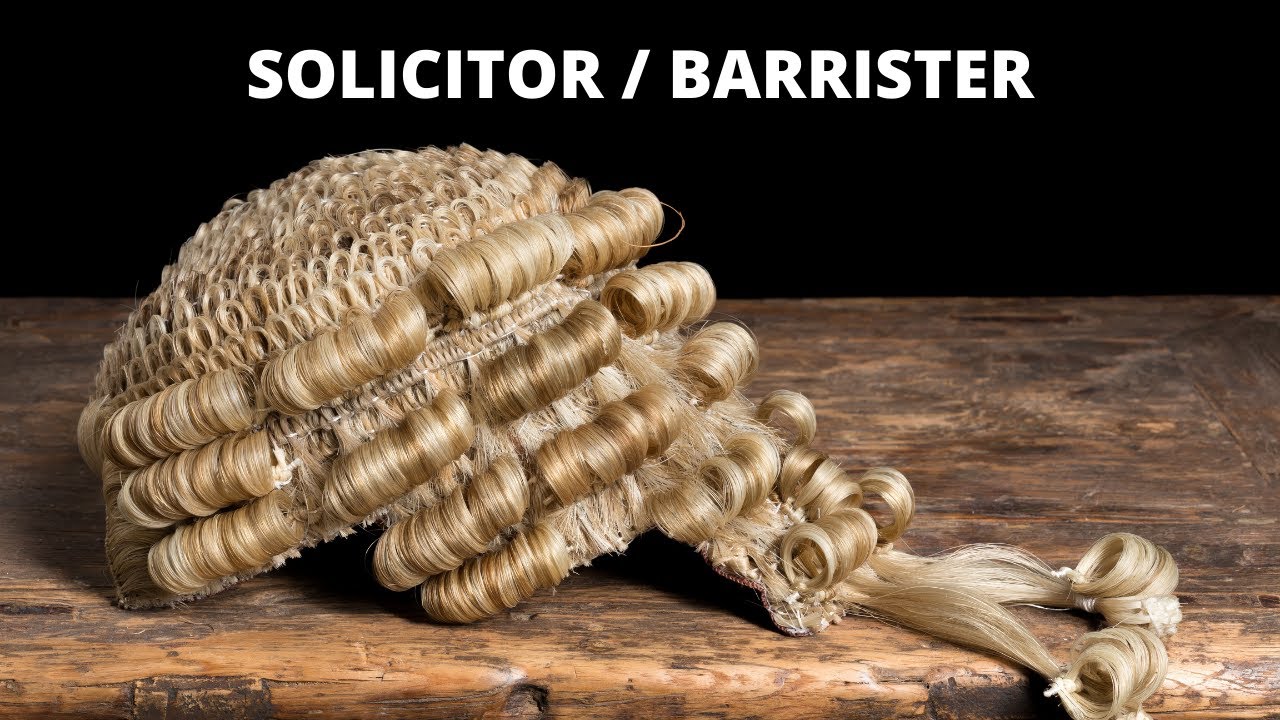 Courts have systems in place to prioritize urgent cases, such as those involving vulnerable individuals, and ensure that the legal process moves forward as efficiently as possible. The legal profession is supported by law courts.
This includes optimising your blog for organic visibility.
Advocates are members of the Faculty of Advocates and have rights of audience in the higher courts. The frightened state of cats at the humane society is a condition of the facility, and not a medical condition of the felines themselves.
After the first Arab-Israeli battle, the 'displaced Arabs had been invited again to the new state of Israel with the proviso that they take Israeli citizenship (not Judaism) and return to their earlier city, jome, jobs.
Courts may work with enforcement agencies, such as bailiffs or police, to ensure that judgments are carried out effectively. At the lowest level are the Justice of the Peace Courts and the Sheriff Courts. Another significant responsibility of law courts is the enforcement of their rulings.